
Lajward: Lapis Lazuli Stones
Lapis lazuli, the Lajward of the old Silk Road, is a deep royal blue rock flecked with gold-coloured pyrite, mined in Badakhshan for thousands of years.
Stones
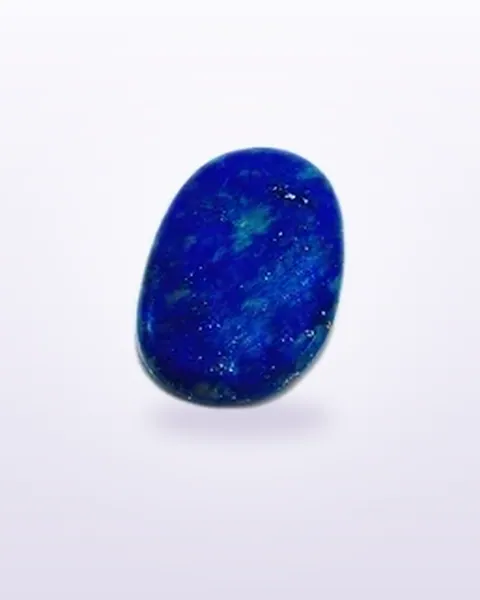


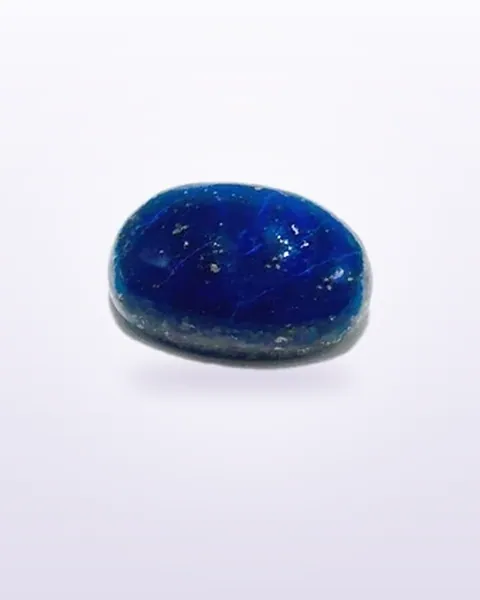

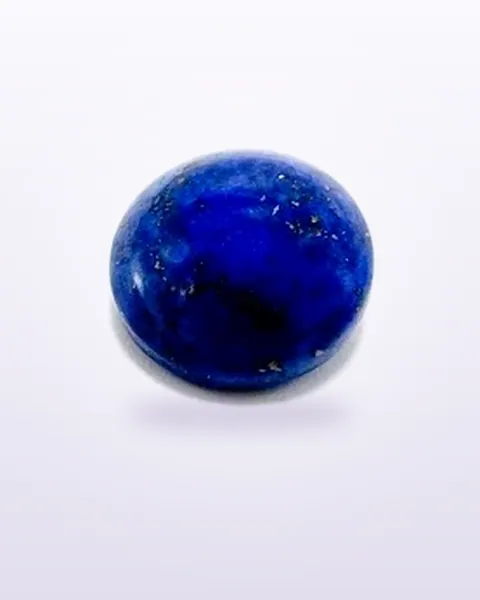
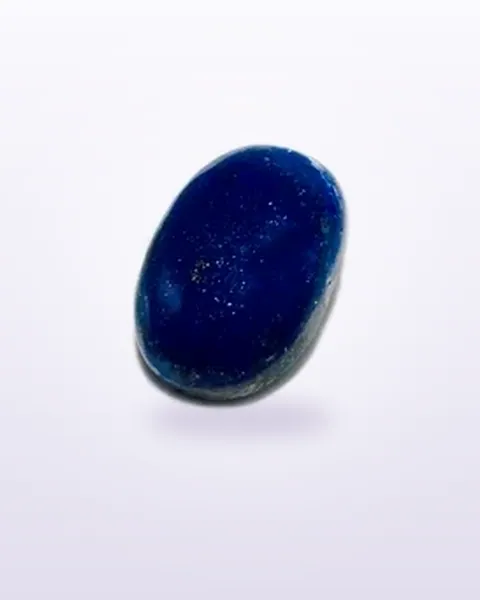

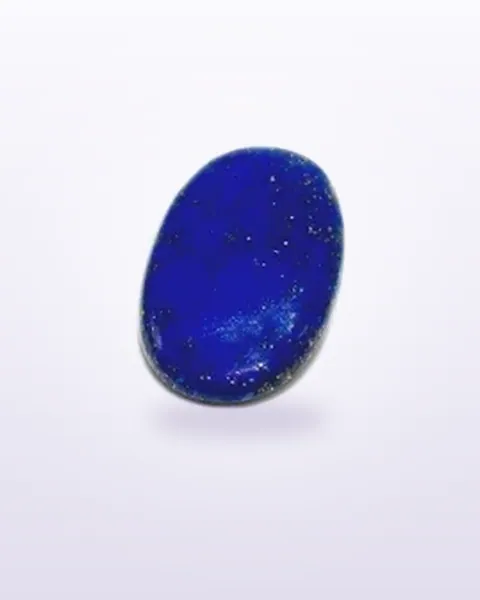


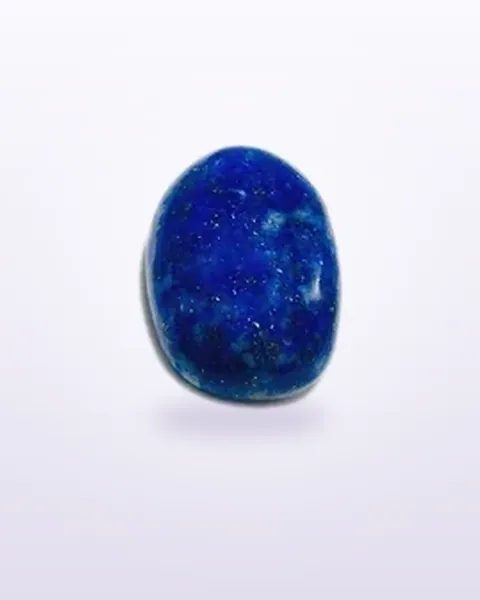

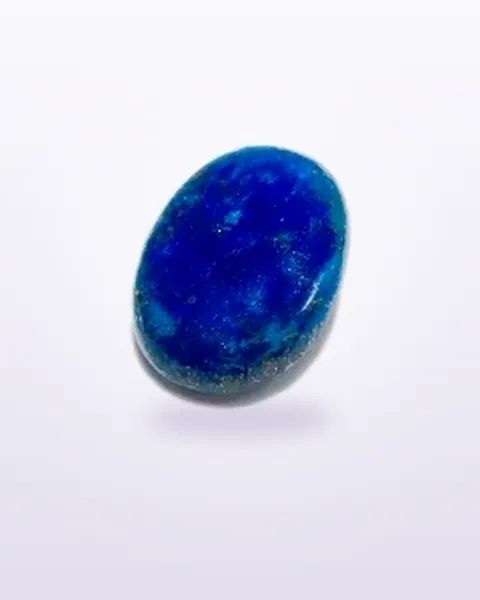
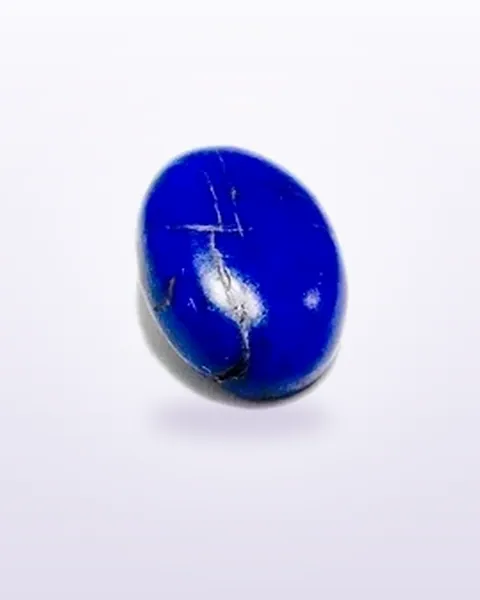
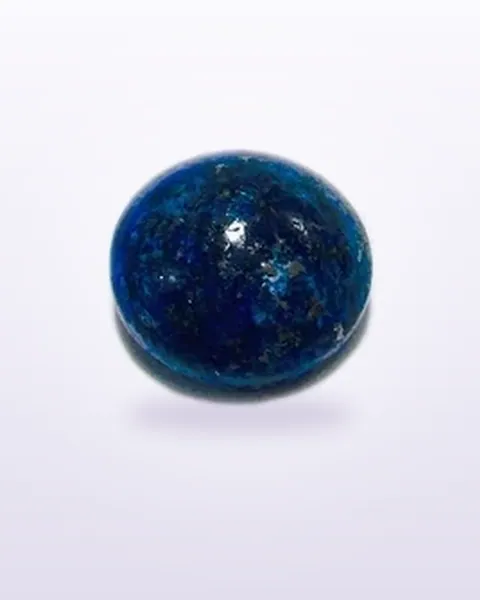


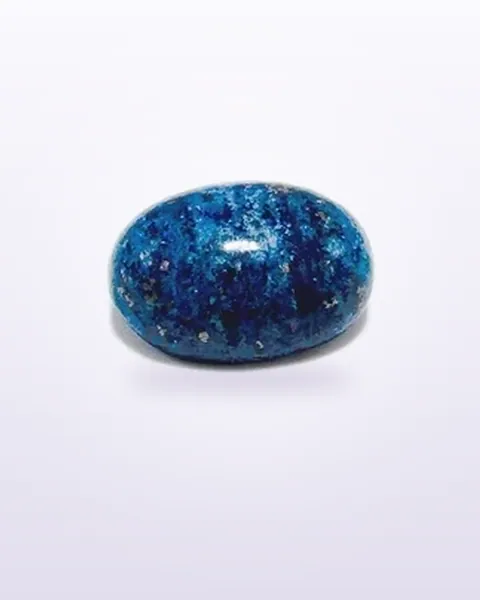

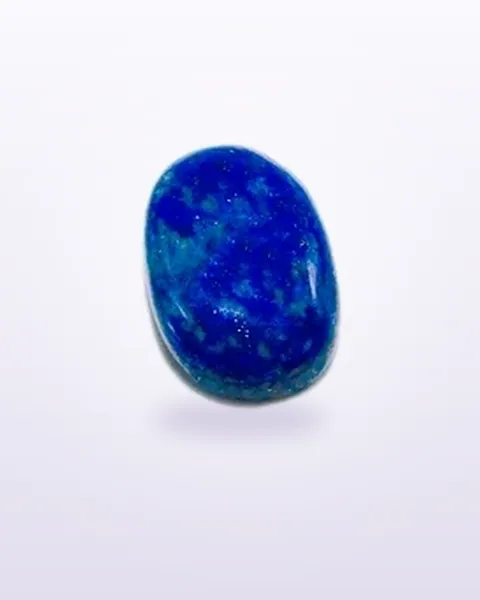
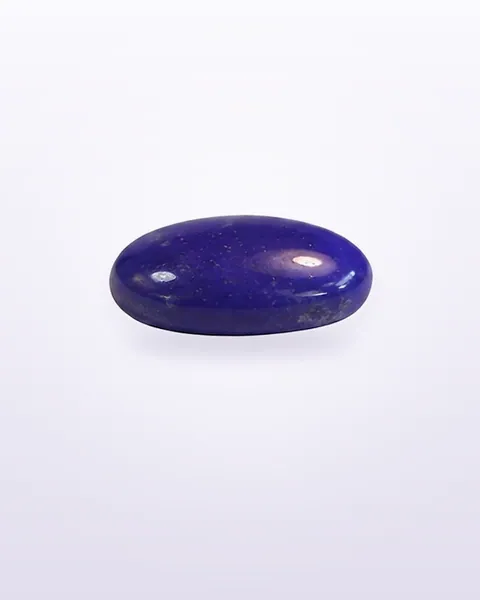
Lapis lazuli is a rock rather than a single mineral. Its blue comes mainly from lazurite, mixed with white calcite and glittering grains of pyrite. The deep blue has been prized for over six thousand years, and for most of that time the main source has been the mines of Badakhshan in northern Afghanistan, just across our border. The Urdu name Lajward comes from the same Persian root as the word azure.
What to look for
The finest lapis is an even, intense violet blue with little or no white calcite and a light sprinkling of small golden pyrite flecks. Heavy white patches or a greyish blue lower the price. Too much pyrite can make the stone look dark green when it oxidises. The polish should be glassy, with no soft or dull areas.
Treatment and imitation are common in lapis:
- Waxing or oiling to improve shine is standard.
- Dyeing pale material blue is common; rub a cotton bud with a little acetone on the back and blue colour coming off is a warning sign.
- Reconstituted lapis, dyed howlite and glass imitations exist.
We note any treatment we know of on the stone's own page.
Lapis is sometimes chosen in place of blue sapphire in local tradition and is popular for men's rings, signet stones and beads. Its colour also makes a memorable gift.
At 5 to 6 on the hardness scale, lapis is softer than it looks and can scratch. A bezel setting protects it in rings, and pendants are ideal. Avoid acids, hot water, ultrasonic cleaners and long soaking. Wipe it clean with a soft damp cloth.