
Yaqoot: Natural Rubies
Ruby, or Yaqoot, is red corundum, prized for a glowing red that holds its fire in daylight and lamplight alike.
Stones
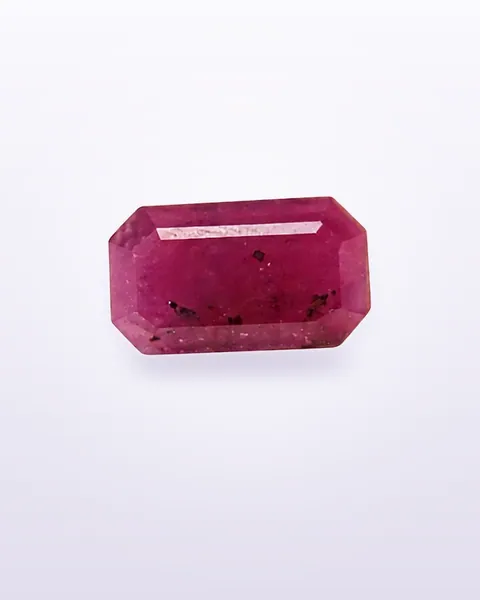
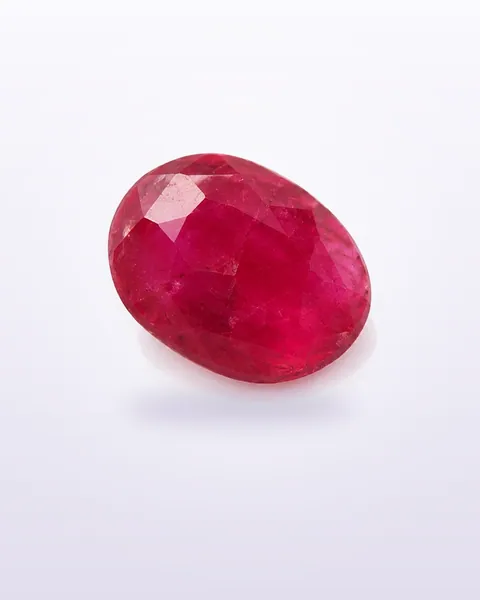
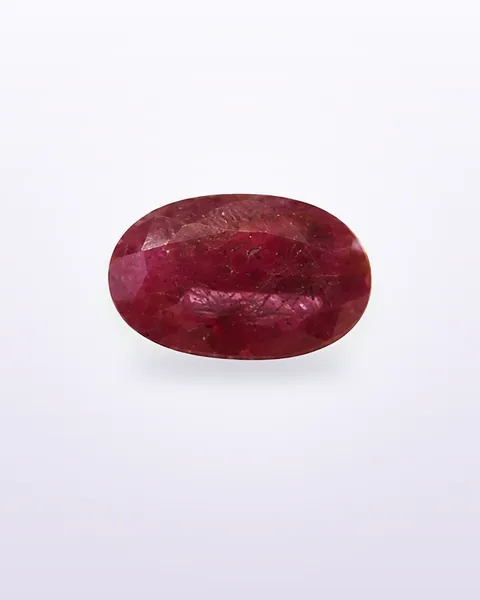
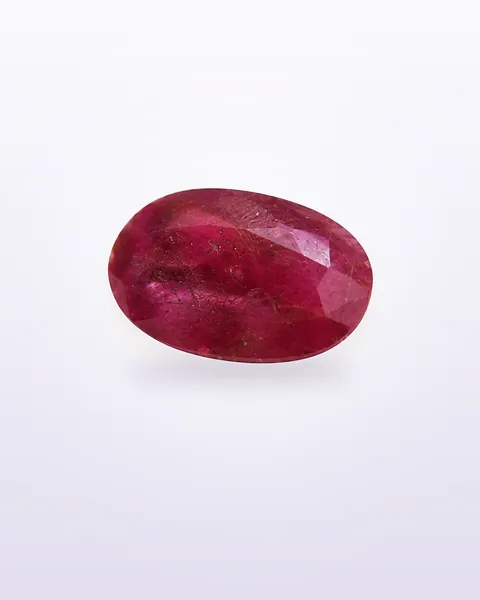
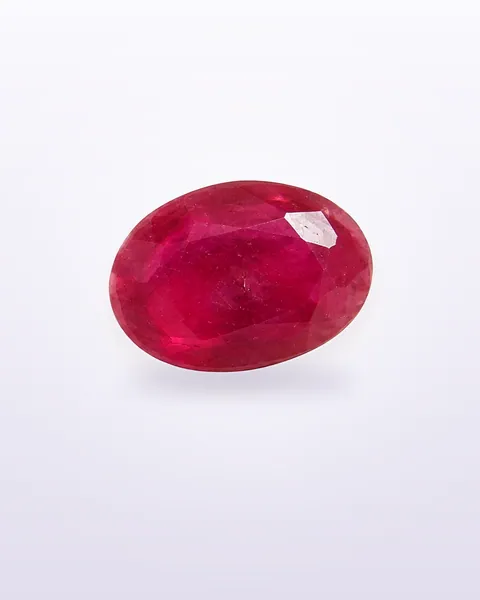

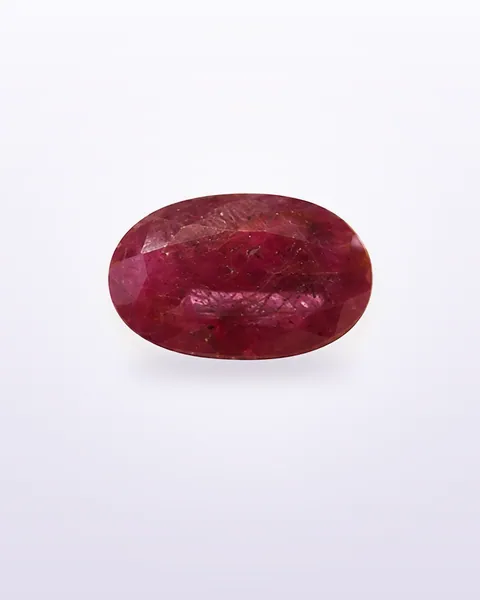
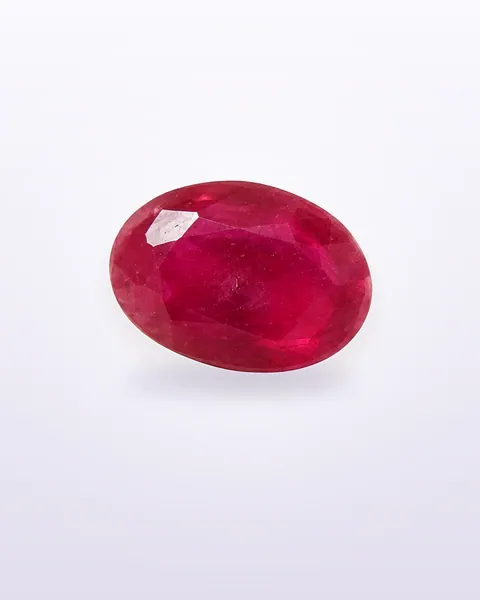

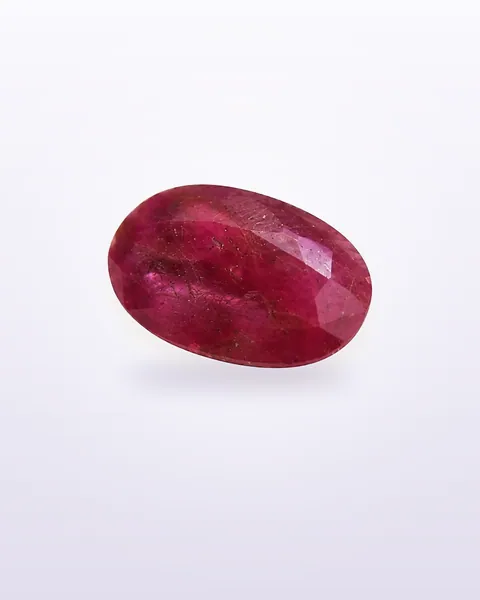
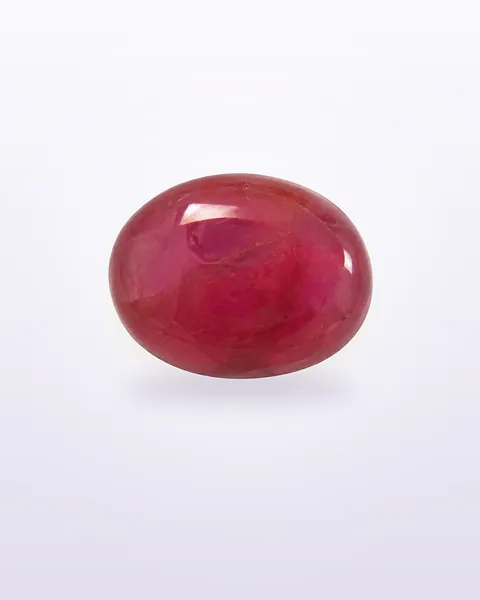

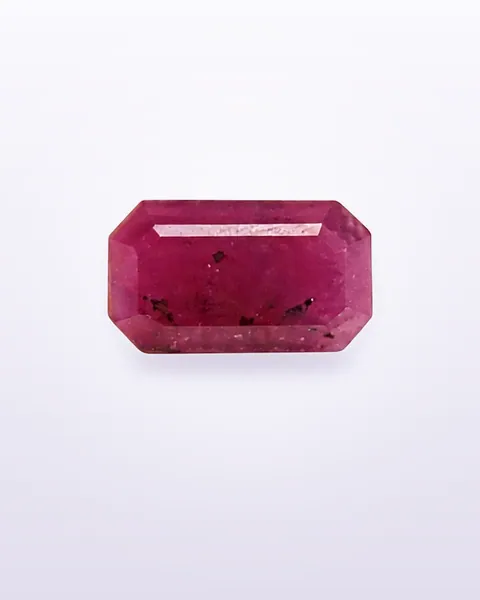

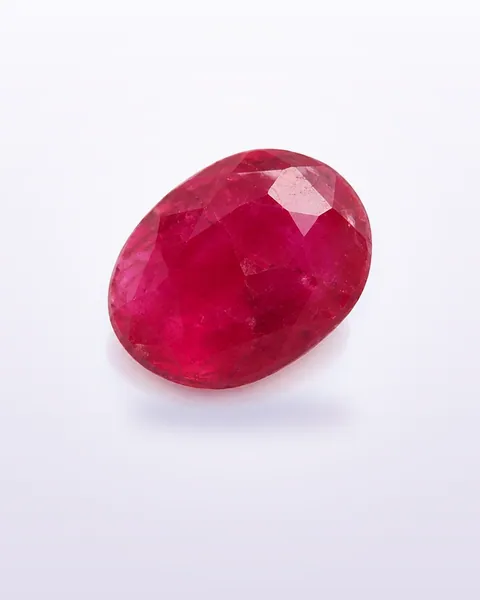


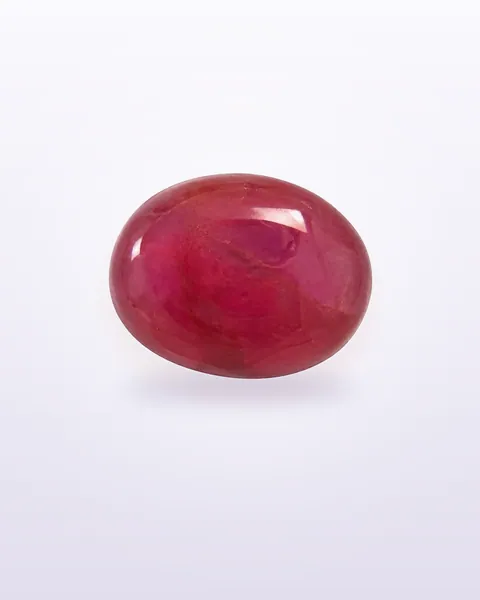


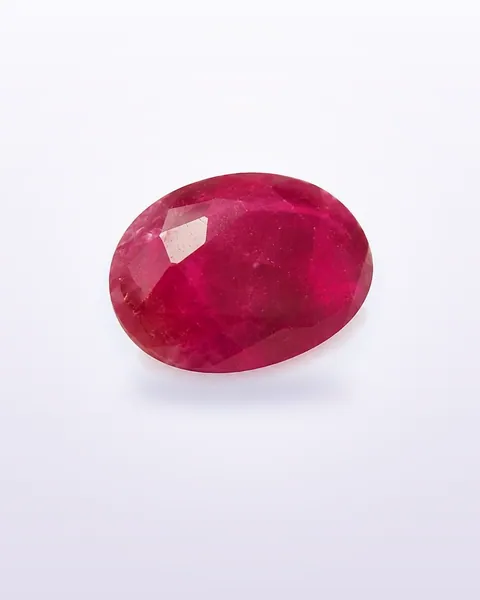
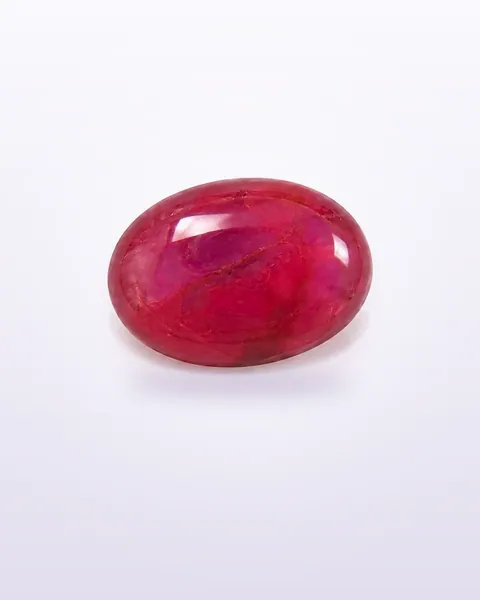
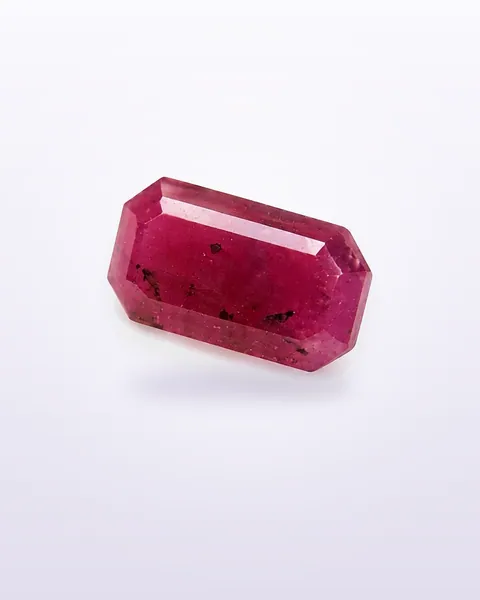
Yaqoot is the red variety of corundum, coloured by chromium. Chromium also makes rubies fluoresce, which is why the best ones seem to glow from inside even on a cloudy afternoon. Pink corundum is called pink sapphire; once the red is strong enough, it is ruby.
Ruby has deep roots in this region. The marble deposits of the Hunza valley have produced rubies for generations, alongside the more famous sources in Myanmar and newer ones in East Africa. Origin can affect price, but only a lab report can confirm it, so we never guess.
Treatments worth knowing
Most rubies on the market are heated. Heating is stable and widely accepted. The concern is lead-glass filling, where fractures are packed with glass to make a cloudy stone look clear. These stones look bright but are fragile, can be damaged by a jeweller's torch or even lemon juice, and are worth a fraction of a heated ruby. A very large, very red ruby at a low price deserves questions.
When choosing, look for a pure to slightly purplish red. Orange or brownish tones lower the value. Fine silky inclusions are normal and can soften the light pleasantly; cracks that reach the surface are not.
Tradition in Pakistan associates ruby with the Sun, and it is often worn on the ring finger in gold. Many women prefer it as a pendant or in earrings, where its colour sits close to the face.
At hardness 9, a ruby is tough enough for an everyday ring. A bezel protects the girdle of a large stone. Warm soapy water is all the cleaning it needs; avoid ultrasonic cleaners if a stone's treatment has not been tested.