
Hadid: Hematite Stones
Hematite, called Hadid after the Arabic for iron, is a heavy, metallic grey stone that polishes to a dark, mirror-like shine.
Stones
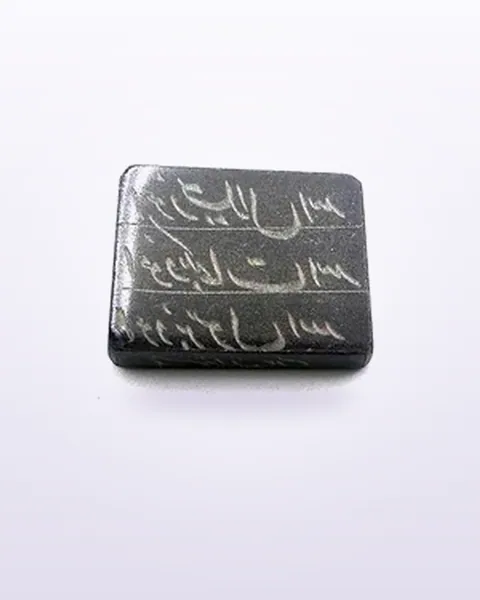
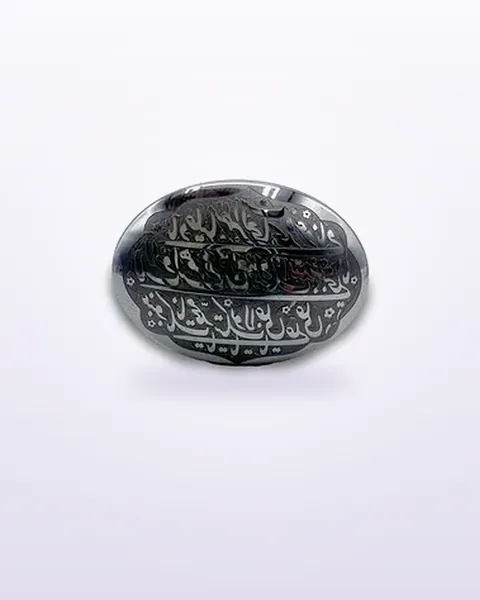


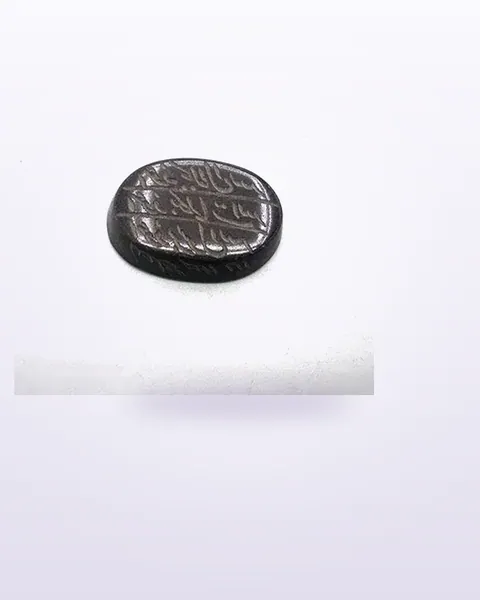
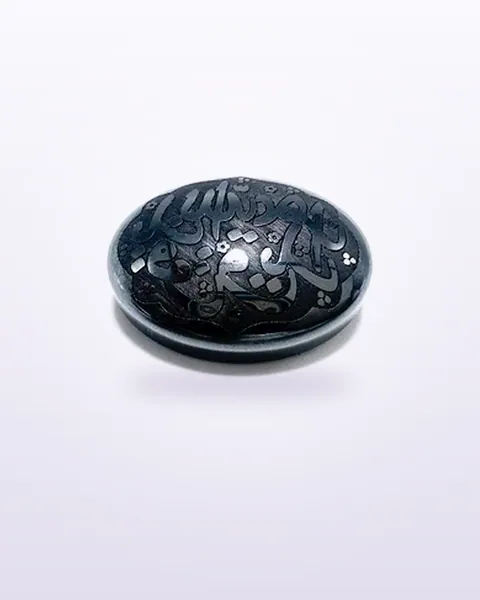

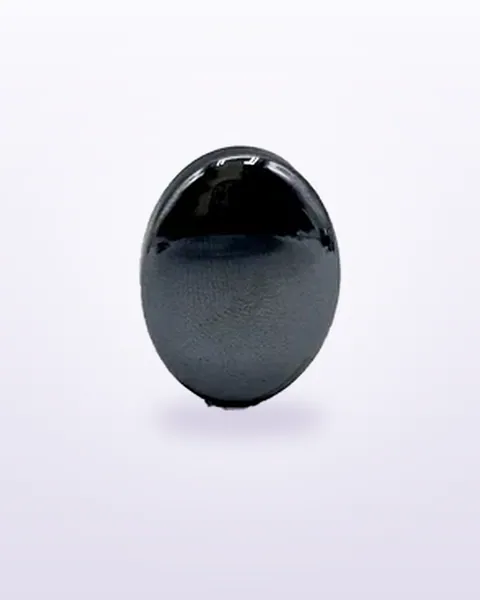

Hematite is iron oxide, the main ore of iron. The Urdu name Hadid comes from the Arabic word for iron. Polished, it has a dark steel grey to black surface with a bright metallic lustre, almost like a mirror. Yet if you scratch it across unglazed porcelain, it leaves a reddish brown streak, which gave it the Greek name meaning blood.
It feels noticeably heavy in the hand, about five times as dense as water, and its sober, metallic look suits men's rings and cufflinks.
Natural hematite or imitation?
Many shiny grey beads sold as hematite are a man-made material sometimes called hematine or magnetic hematite. Two quick checks help:
- Magnetism: natural hematite is only weakly magnetic, if at all. Beads that snap firmly onto a fridge magnet are almost certainly man-made.
- Streak: natural hematite gives a reddish streak on rough porcelain. Test only on a hidden spot.
Each listing tells you what the material is and the treatment status we know.
In tradition Hadid is sometimes associated with strength and grounding, and some people wear it alongside other stones. We mention this only as custom.
When choosing, look for an even, unbroken mirror polish without pits or scratches, and well-shaped edges.
At 5.5 to 6.5 on the hardness scale, hematite resists light wear but is brittle and can crack if dropped on a hard floor. Set in a ring, it is safest inside a bezel. It can also rust very slightly if left wet, so wipe it dry after washing and store it away from damp. A soft cloth restores the shine.