
Lehsunia: Chrysoberyl Cat's Eye
Lehsunia is chrysoberyl cat's eye, a honey to green stone crossed by a sharp line of light that opens and closes as you move it.
Stones


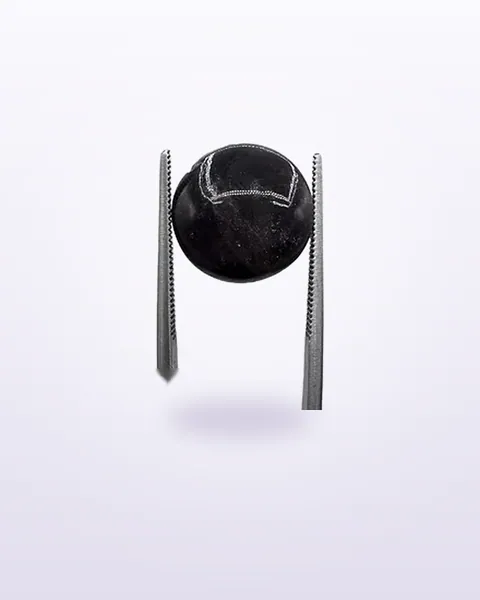

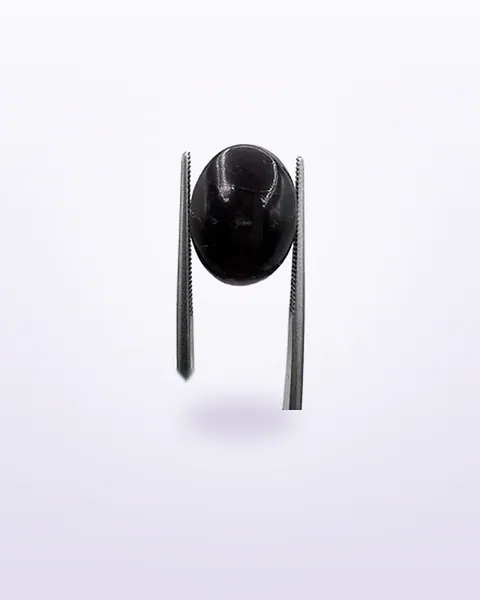

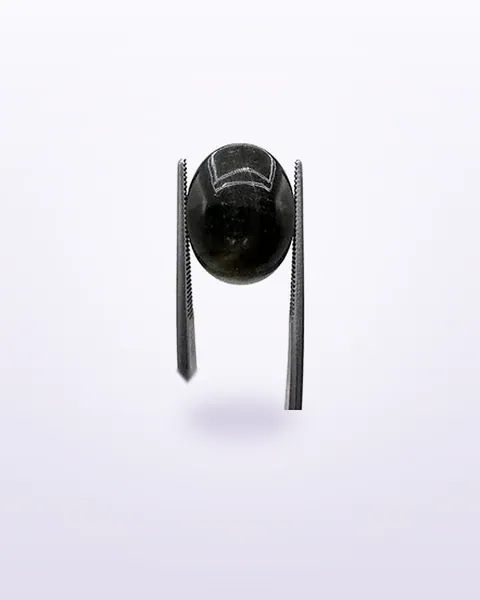
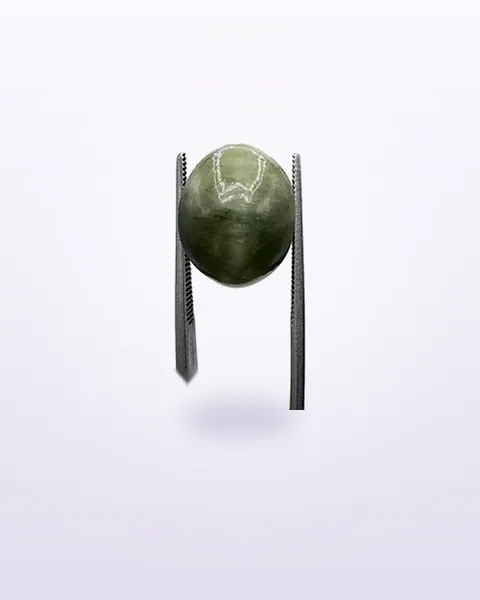
Cat's Eye (Lehsunia)
Cat's Eye (Lehsunia) – 10.35 ct, from Pakistan
10.35 ct · 11.37 ratti
Rs. 6,150
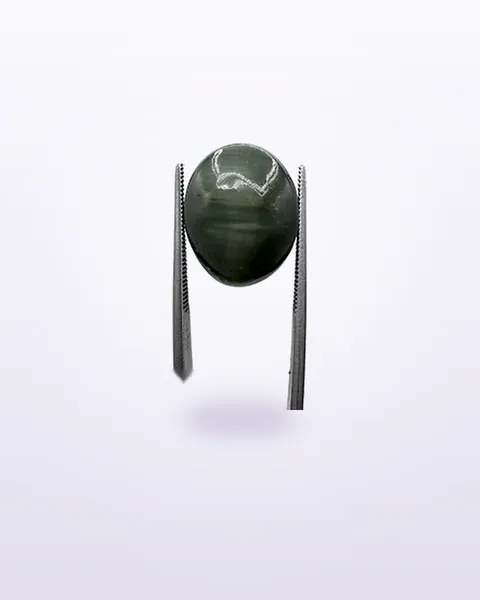
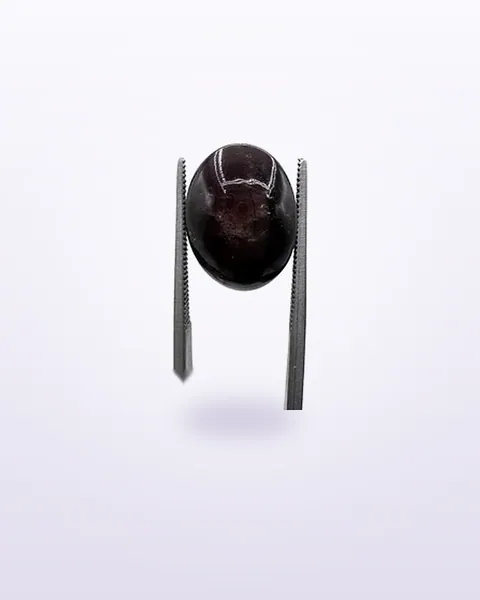
True cat's eye, known in Pakistan as Lehsunia, is chrysoberyl containing countless fine, parallel needle-like inclusions. Cut as a smooth dome, those needles reflect light into a single bright line across the stone, like the slit of a cat's eye. The effect is called chatoyancy. Many other gems can show a cat's eye, but the word on its own traditionally means chrysoberyl.
What makes a fine Lehsunia
- The eye: sharp, straight, narrow and centred, running from edge to edge.
- Milk and honey: under a single light from the side, the half nearest the light looks milky and the other half honey. This is a classic sign of fine chrysoberyl.
- Body colour: honey yellow, golden brown, olive and greenish yellow are typical; warm honey is the most valued.
The eye should open and close, or move across the dome, as you tilt the stone. A blurred or wavy eye lowers the value.
Several stones are sold as cat's eye: quartz cat's eye, apatite, and fibre-optic glass called "Catseye" in the cheap trade. Glass often shows a honeycomb pattern from the side. Quartz is lighter and duller. Chrysoberyl is dense and has a silky, bright eye. Each listing names the mineral and the treatment status we know.
In tradition Lehsunia is linked with Ketu, and it is often worn on the middle or ring finger in silver or panchdhatu. Its weight is usually chosen on advice. We share the custom only.
At 8.5 on the hardness scale and with good toughness, chrysoberyl is one of the most durable gems for daily rings. A bezel or four claws both work. Clean it with soapy water and a soft brush.