
Kahruba: Natural Amber
Amber, called Kahruba, is fossilised tree resin millions of years old, light and warm in the hand, glowing honey to cognac.
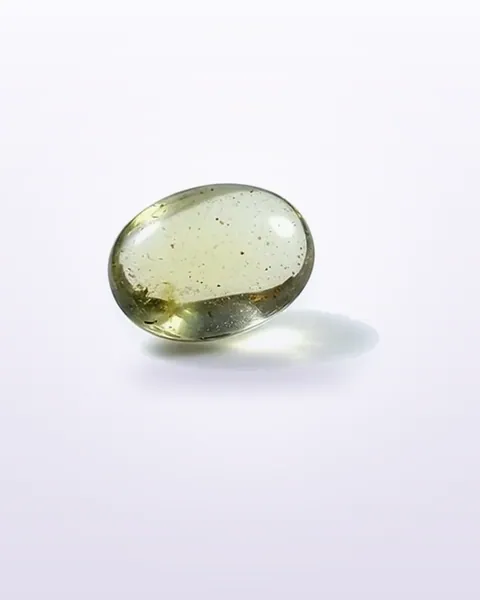

Amber is not a mineral. It began as sticky resin oozing from ancient trees, then hardened underground over millions of years. The best known source is the Baltic coast, with Dominican and Burmese amber also prized. Colours range from pale lemon and honey to deep cognac and cherry, and some pieces hold trapped bubbles, plant fragments or even insects.
The Persian name Kahruba means straw-robber, because rubbed amber builds a static charge and picks up bits of straw or paper. You can still try it with a scrap of tissue.
Real amber or imitation?
Plastic and young resin called copal are common fakes. A few clues:
- Weight: amber is very light, and a large piece feels surprisingly warm and light in the hand.
- Salt water: loose amber floats in strong salt water, while most plastics sink.
- Inclusions: perfect, centred insects are a warning sign; natural ones are random and often partial.
Pressed amber, made from heated and compressed fragments, and heat-treated amber with sparkly "sun spangles" are also common. Whatever we know of a piece's treatment is written on its page.
In Pakistan, Kahruba appears in prayer beads and traditional pendants, and it is a favourite for gifts. We present it as a beautiful natural material and make no health claims.
Amber is one of the softest gems, about 2 to 2.5 on the hardness scale, and it scratches easily. Pendants and beads suit it far better than rings. Keep it away from perfume, alcohol and heat, which can cloud or crack it. Wipe with a soft, damp cloth and store it separately.