
Surkh Aqeeq: Red Agate
Red agate, the Surkh Aqeeq of countless silver rings, shows brick, cherry and rust tones, often with fine bands curving through the stone.
Stones

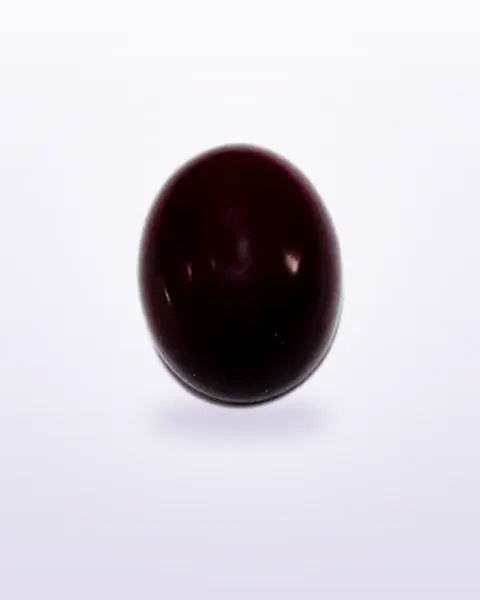
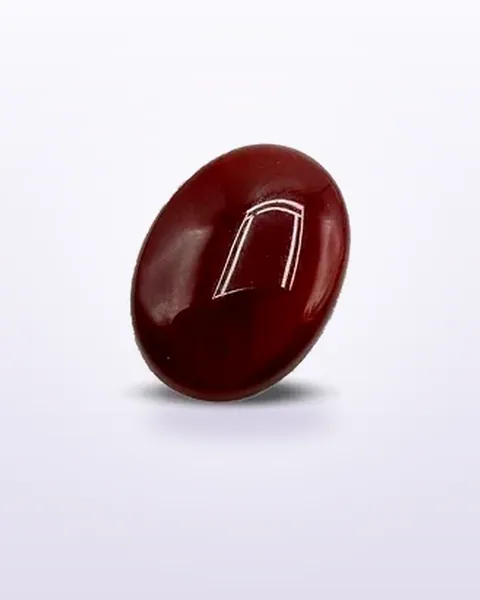
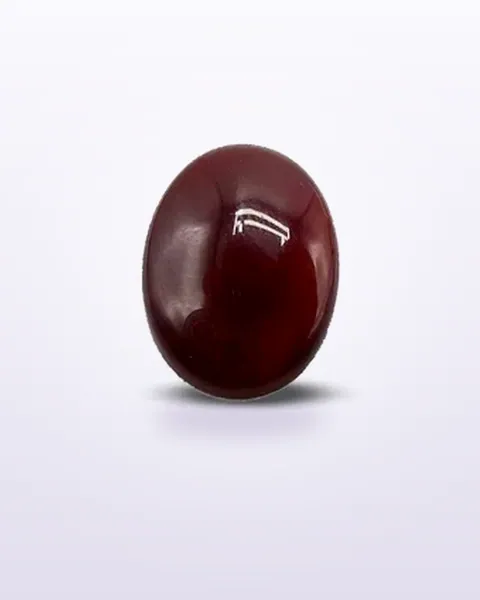


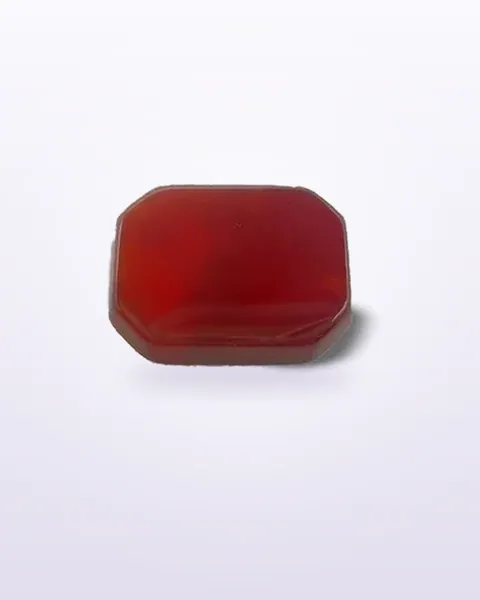


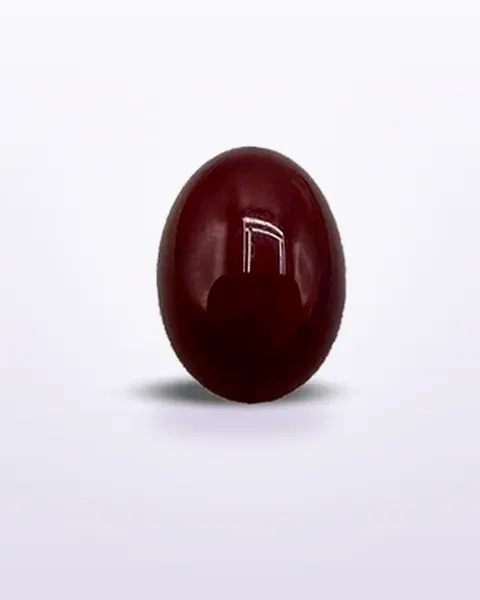
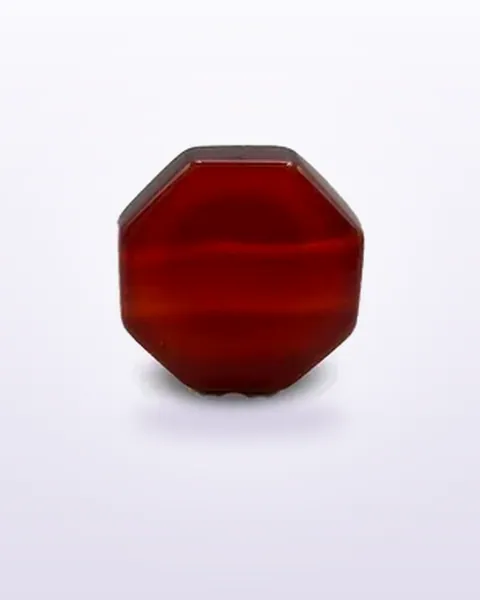
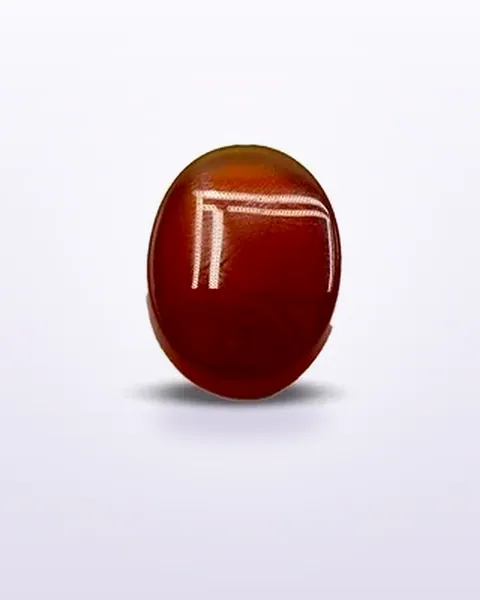
Surkh Aqeeq is red agate: chalcedony coloured by iron and laid down in layers, so it often shows bands, clouds or swirls. It is one of the most familiar stones in Pakistani jewellery, worn by men of every generation in plain silver rings.
Red agate is often confused with carnelian. Carnelian is evenly coloured and translucent, while red agate tends to be more patterned and can range from translucent to nearly opaque. Both are chalcedony; the difference is how the colour is laid out.
What to compare
Look at the pattern first. Some buyers want a nearly solid red with faint lines, while others love visible bands in cream and crimson. Neither is wrong. Next, check depth of colour in daylight: a warm cherry or deep brick red reads well on the hand, while washed-out orange looks tired. Finally, turn the stone over. A neat, polished back and even edges show good cutting.
Most red agate on the market has had its colour improved by heating, which turns iron in the stone to a deeper red. Dyeing is also common and is harder to see with the eye. Our listings show what we know about treatment for each stone.
Many families give a red Aqeeq ring as a gift for a young man, and it is common in engraved form with names or verses. As tradition, Aqeeq is valued for its long association with faith in the region; we describe that, we do not promise outcomes.
At 6.5 to 7 on the hardness scale, red agate is a hard-wearing everyday stone. It holds up well in a bezel or claws. A wipe with soapy water brings back its shine.