
Tanzanite: Violet Blue from One Valley
Tanzanite is a velvety violet blue gem found in only one small area of northern Tanzania, and it shifts between blue and purple as you turn it.
Stones
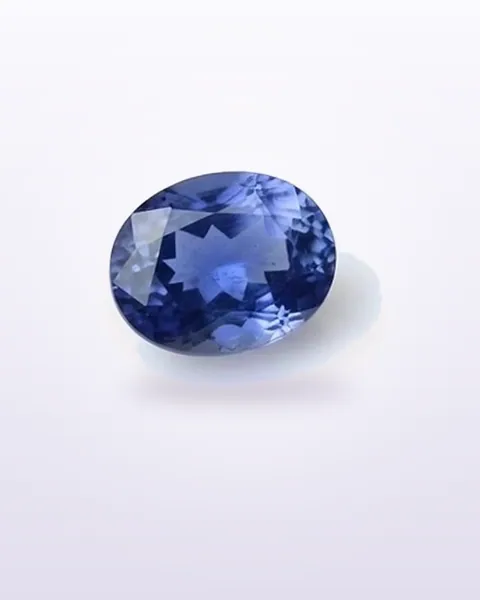

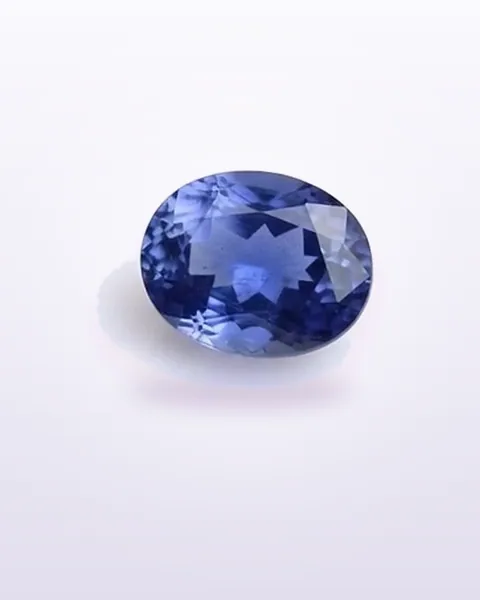
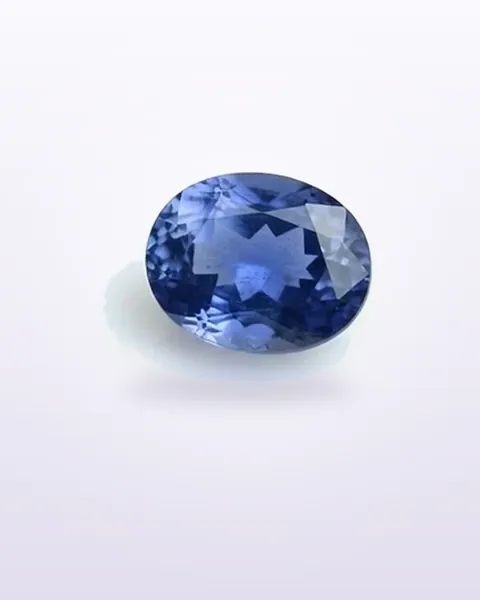
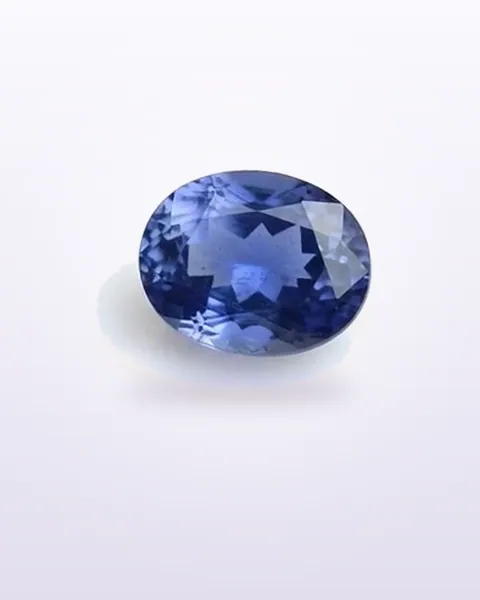
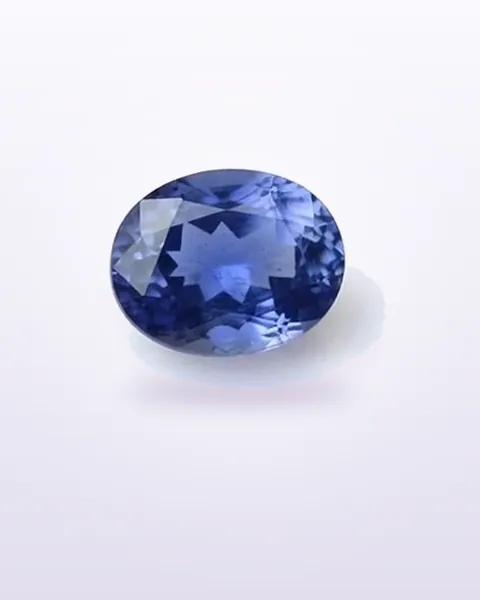
Tanzanite is the blue to violet variety of the mineral zoisite. It was discovered in the 1960s in the Merelani Hills near Mount Kilimanjaro, and that small area remains the only commercial source in the world. Its colour sits between sapphire blue and amethyst purple, with a rich, velvety depth in larger stones.
Tanzanite is strongly trichroic. Look through it in one direction and you see blue, in another violet, in a third a brownish or reddish tone. Cutters orient the stone to show the best colour through the top.
About heat treatment
Nearly all tanzanite is heated. Rough zoisite comes out of the ground brownish, and gentle heating removes the brown and reveals the blue violet. This is standard, stable and expected. Coated tanzanite, with a thin colour film on the surface, is a different matter and is less durable. The treatment note on each listing tells you where a stone stands.
- Colour: deeper, more saturated blue violet costs more; pale lavender is more affordable.
- Size: colour deepens with size, so stones above 3 carats look much richer.
- Clarity: most tanzanite is clean to the eye.
Tanzanite is sometimes chosen as an alternative to blue sapphire, though it is a different mineral and much softer. Ask whoever advised you if you are following a tradition. It is also a popular December birthstone.
At 6 to 7 on the hardness scale, with one direction of perfect cleavage, tanzanite needs gentle handling. It can split from a sharp knock or sudden temperature change. A bezel or protective halo suits rings, and pendants and earrings are safer for daily wear. Never use ultrasonic or steam cleaners; warm soapy water and a soft brush are enough.