
Opal Stones with Play of Colour
Opal is a gem of hydrated silica that flashes shifting patches of colour, and this collection gathers opals beyond our Australian and Ethiopian ranges.
Stones
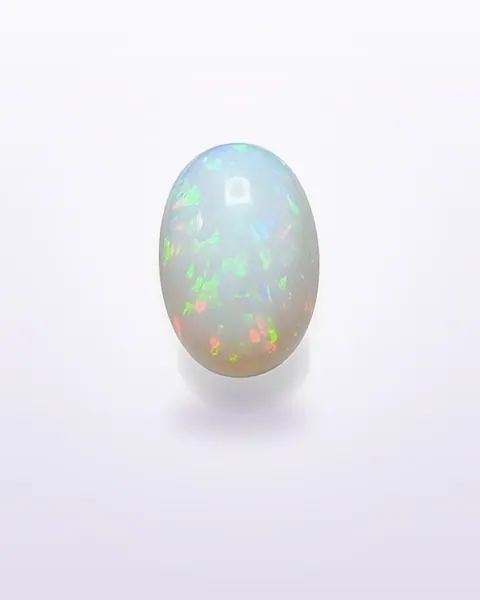
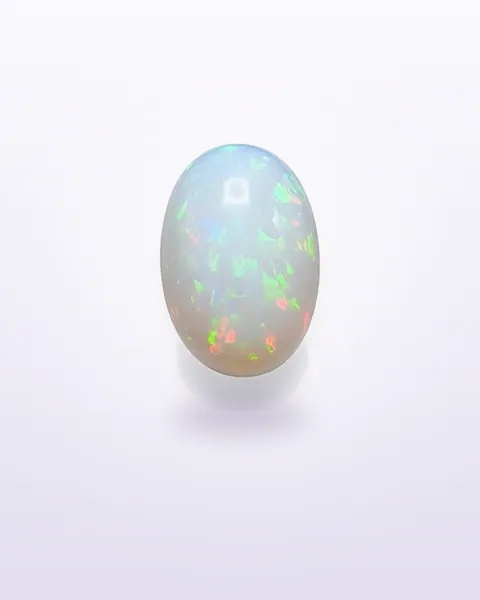
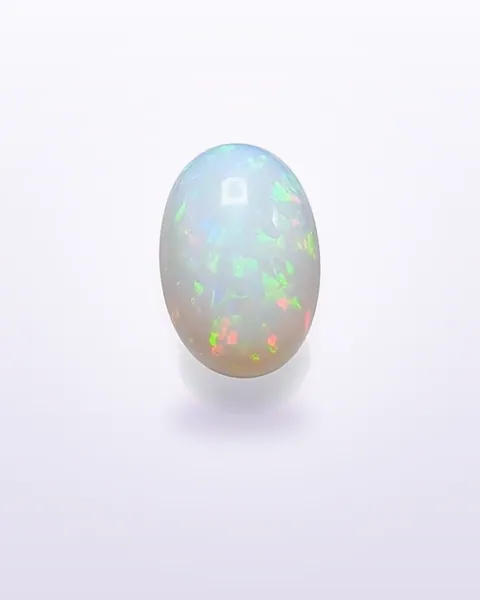
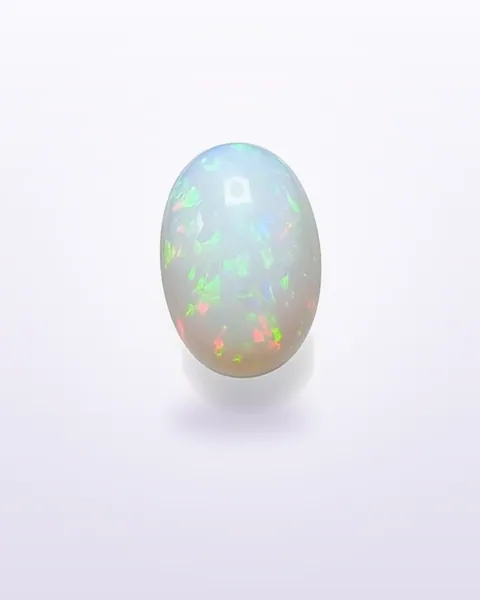
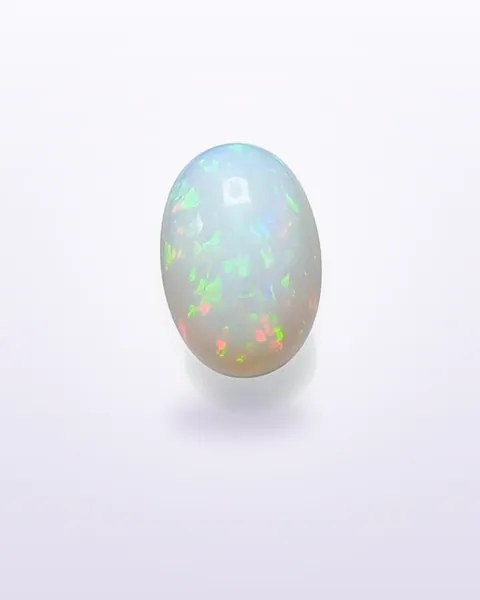
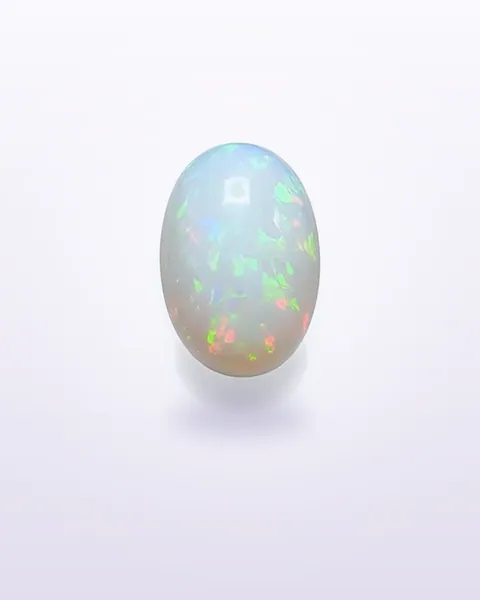
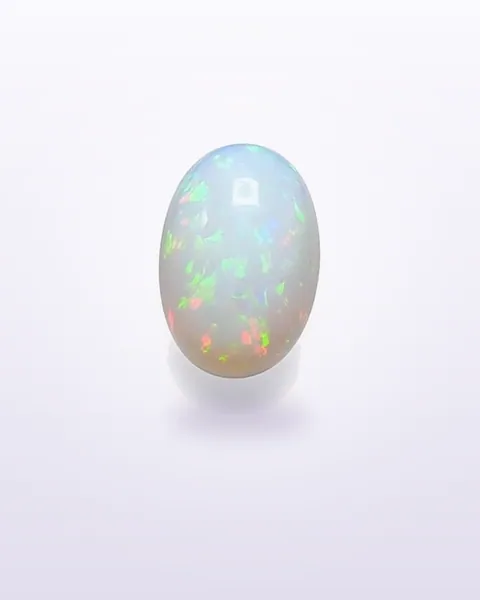
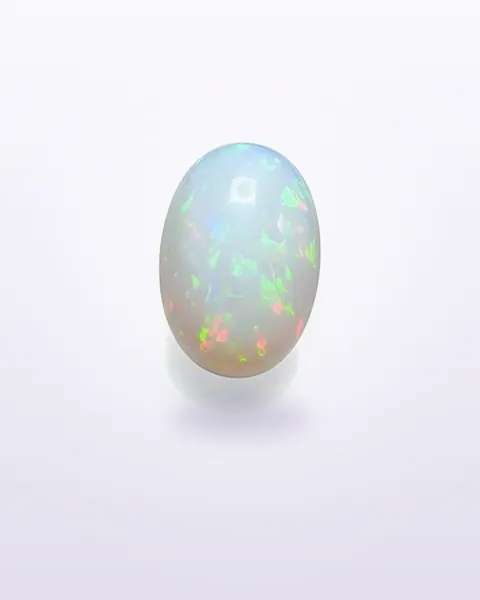
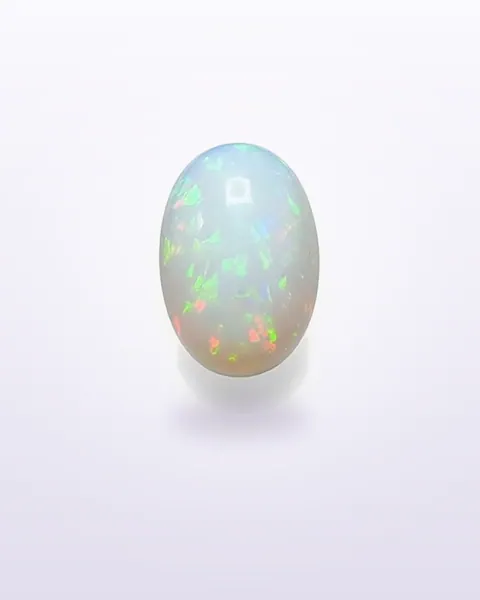
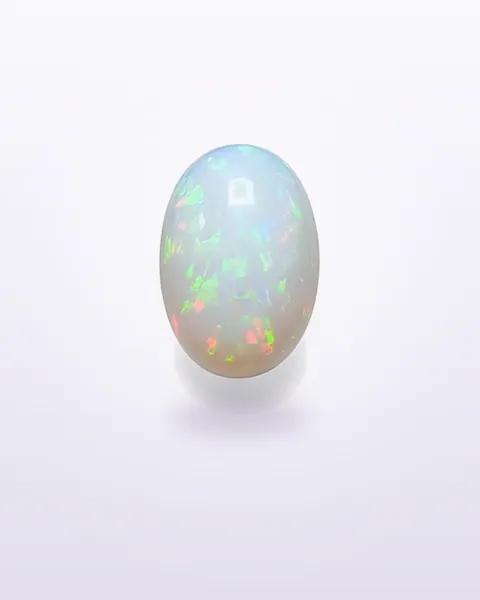

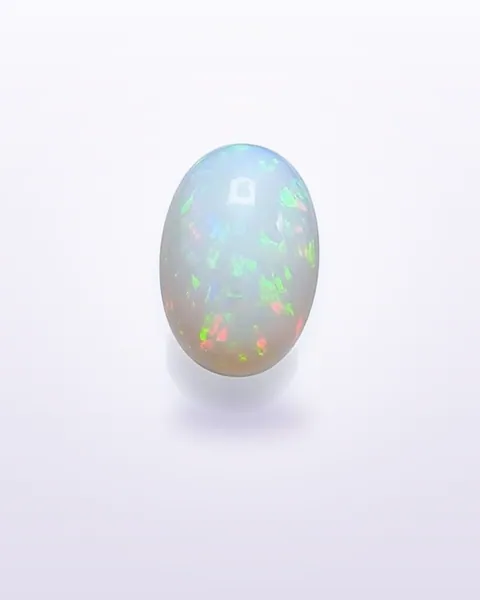
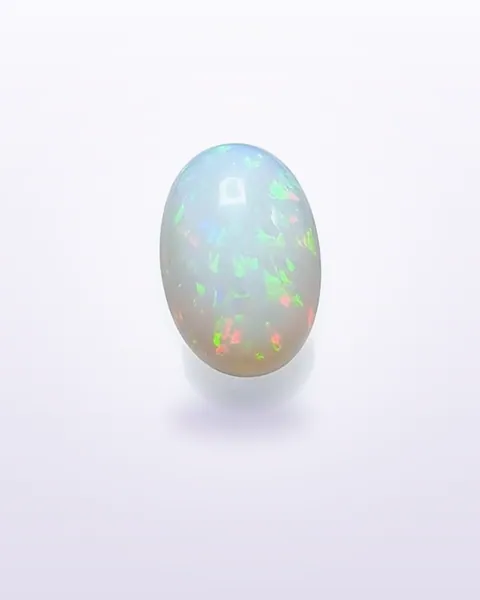
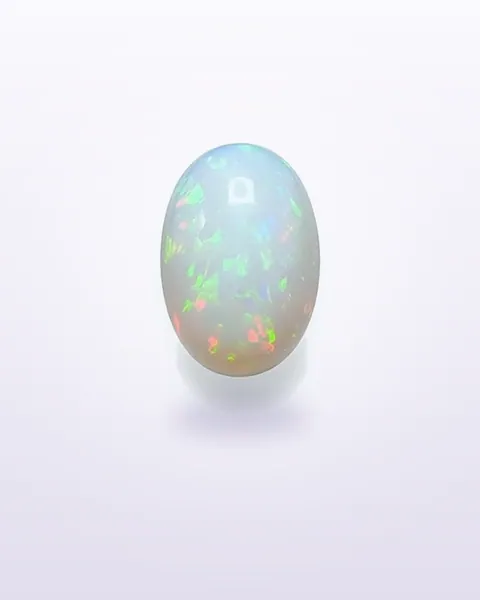
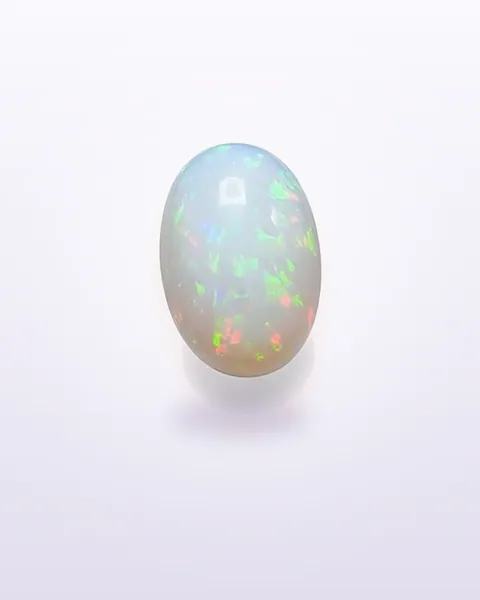
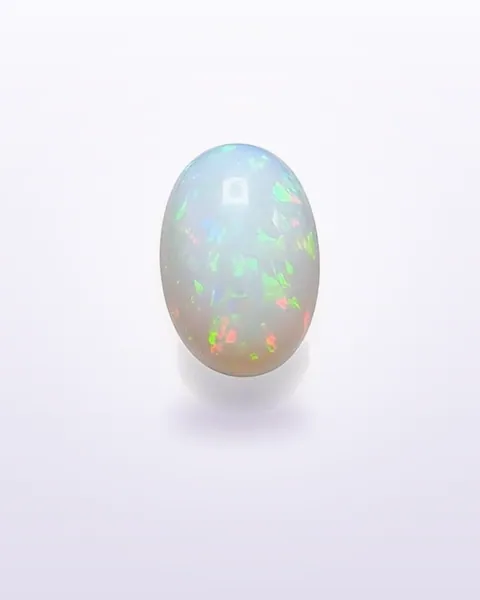
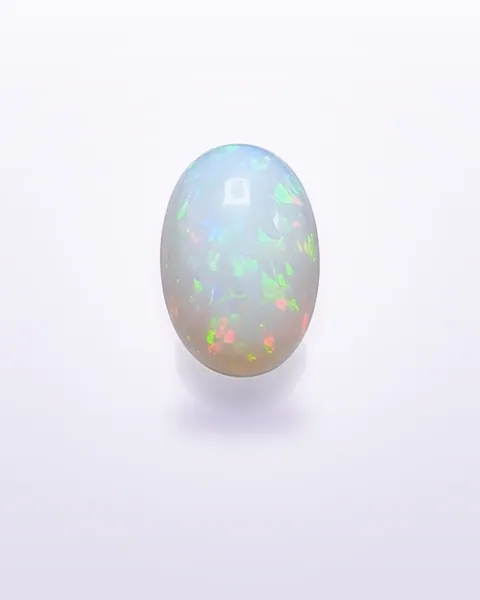
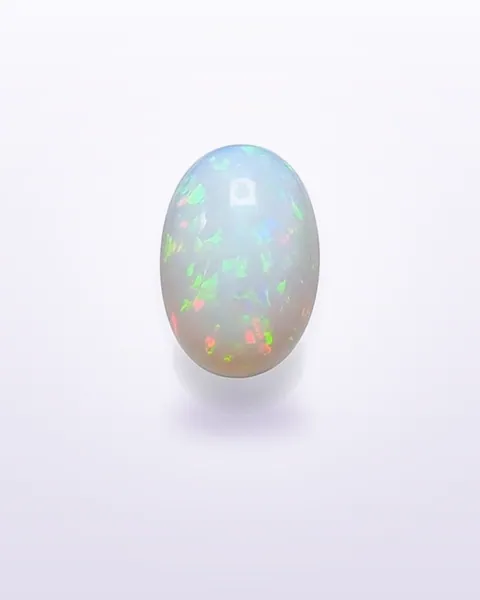
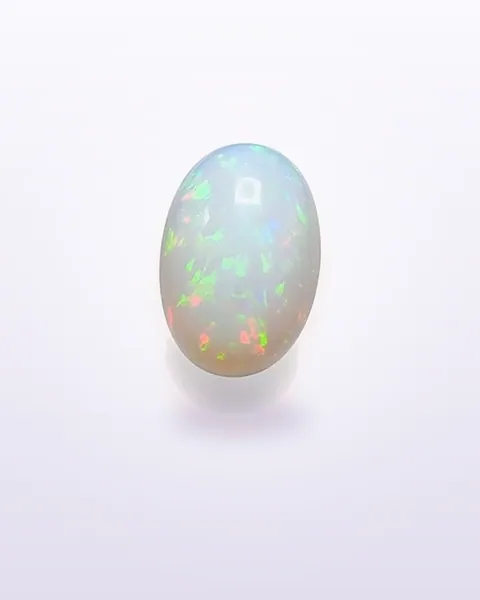
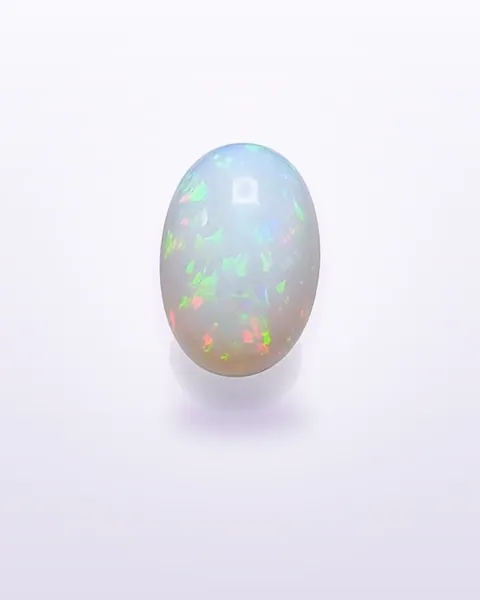
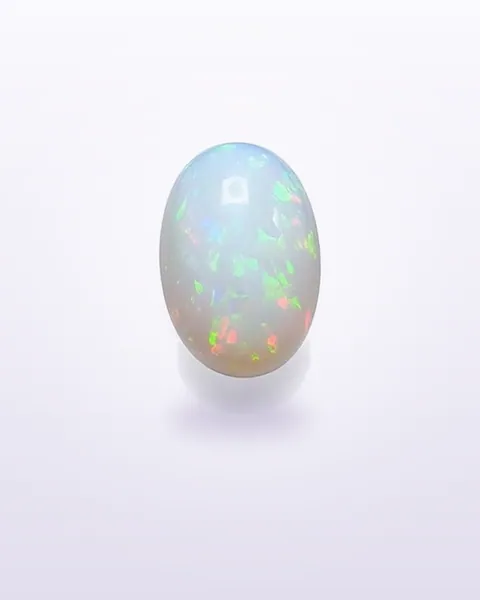
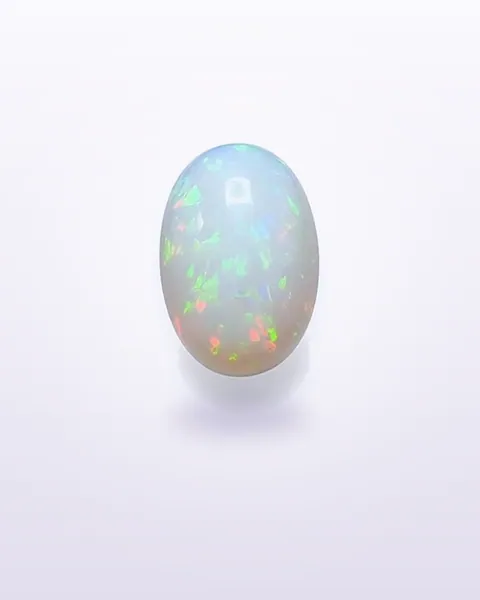

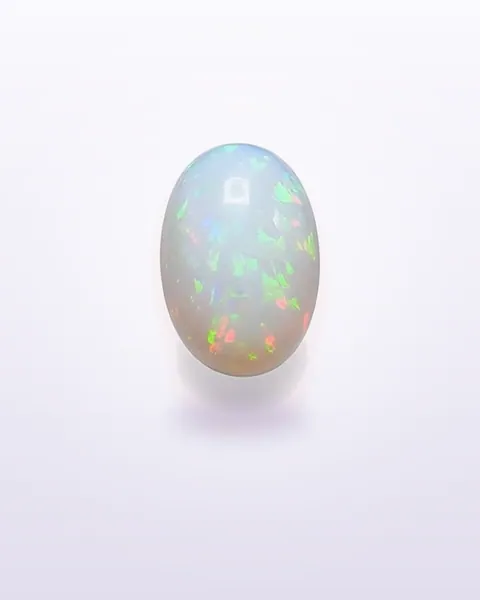
Opal is not a crystal at all. It is silica with water locked inside, built from tiny spheres stacked in neat rows. When light passes through those rows it splits into colour, and the stone flashes green, blue, orange or red as you turn it. That flicker is called play of colour.
Australian and Ethiopian opals have their own collections on our site. This page gathers the rest: common opals without play of colour, fire opals in orange tones, and opals from other sources. Each listing names the type.
Judging an opal
- Play of colour: brighter, larger flashes visible from many angles are worth more.
- Body tone: dark-bodied opals show colour most vividly; white and crystal bodies look softer.
- Construction: doublets and triplets are thin slices of opal glued to a backing. They are fine as jewellery but are not solid opal and should be priced accordingly.
Synthetic opal exists and often shows an orderly "lizard skin" pattern under magnification. A natural opal's patches are more irregular.
In Pakistan opal is mostly bought for its looks, and in tradition it is sometimes associated with Venus. It suits women's rings and pendants and makes a thoughtful October birthday gift.
At 5.5 to 6.5 on the hardness scale, opal is soft and sensitive. Choose a bezel setting, keep it away from sudden heat and from the sun on a car dashboard, and take rings off before cooking or washing. Wipe with a damp cloth only. Never soak a doublet, as water can lift the glue.