
Moti: Natural and Cultured Pearls
Pearl, the Moti of the Moon tradition, is the only gem grown inside a living creature, valued for its soft glow, shape and skin.
Stones
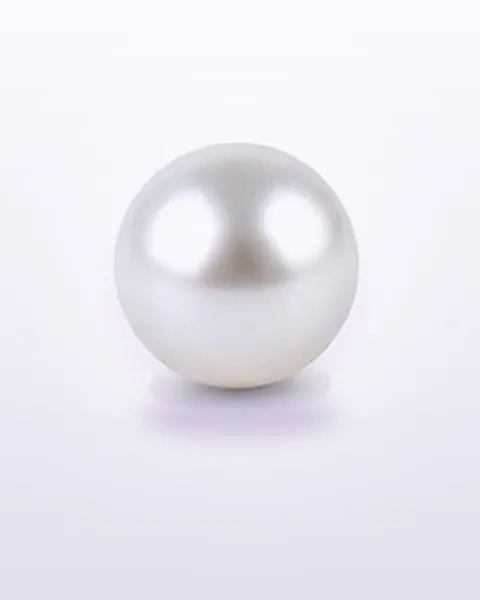
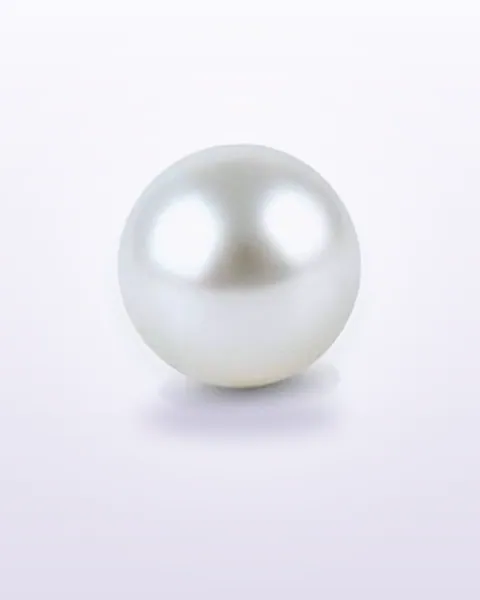
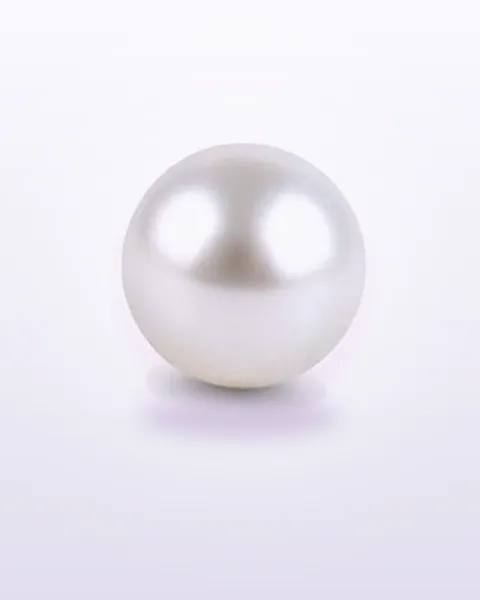

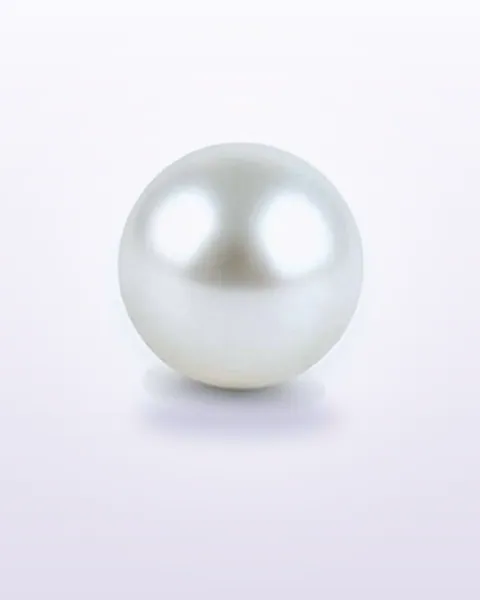
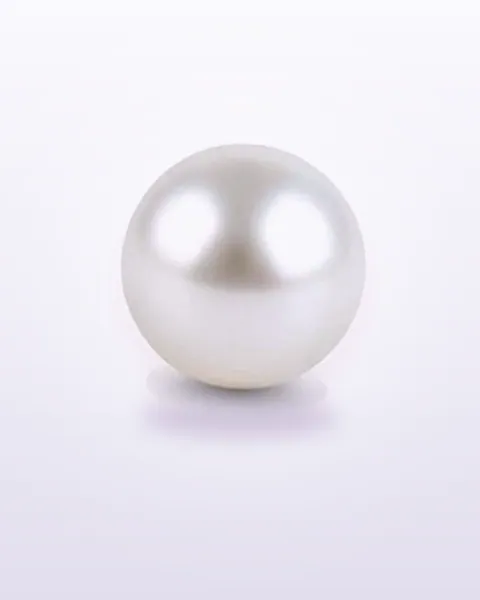
A pearl forms when a mollusc coats an irritant with layer after layer of nacre, the same material that lines the inside of its shell. Light travelling through those thin layers creates lustre, the deep, glowing reflection that makes a good pearl look lit from within.
Natural, cultured and imitation
Natural pearls form without human help and are very rare and costly. Cultured pearls are grown by placing a bead or tissue inside the mollusc, then letting it build nacre. Most pearls in today's market are cultured, from freshwater mussels or saltwater oysters. Imitation pearls are glass or plastic beads with a shiny coating. Each of our listings names the type we know, along with any treatment such as bleaching or dyeing.
A traditional quick test: rub the pearl gently against the edge of your front teeth. Real nacre feels slightly gritty, while imitations feel smooth. It is a guide, not proof.
- Lustre: sharp, bright reflections matter most.
- Surface: fewer spots and bumps mean higher value.
- Shape: round is classic and costly; button and drop shapes suit rings and pendants.
In Pakistan, Moti is traditionally linked with the Moon, and many wear it on the little finger in a silver ring. Pearls are also a classic bridal and Eid gift.
Pearl is soft, 2.5 to 4.5 on the hardness scale, and sensitive to acid. Put it on last, after perfume, hair spray and make-up, and take it off first. Wipe it with a soft, damp cloth after wearing. Never use ultrasonic cleaners, detergents or vinegar, and store it apart from harder gems.