
Sunela: Citrine Gemstones
Citrine, called Sunela locally, is golden quartz in shades from pale straw to deep honey, a cheerful and durable stone for everyday rings.
Stones

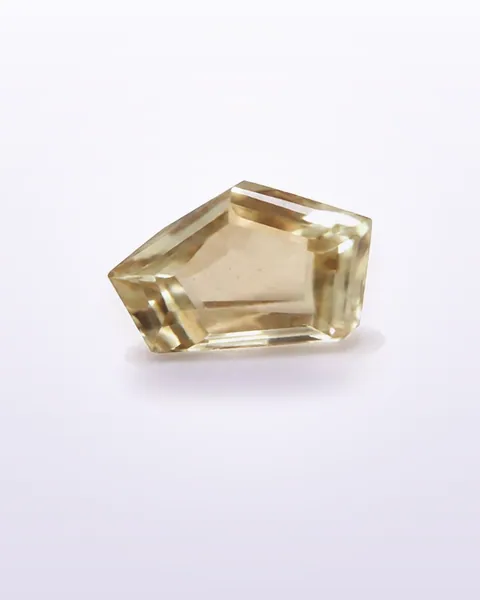
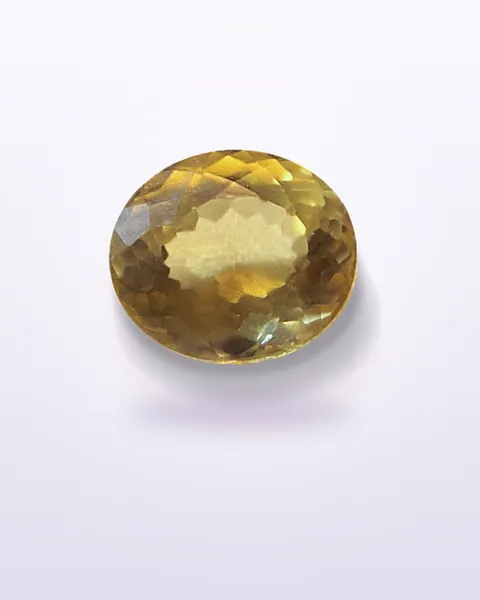
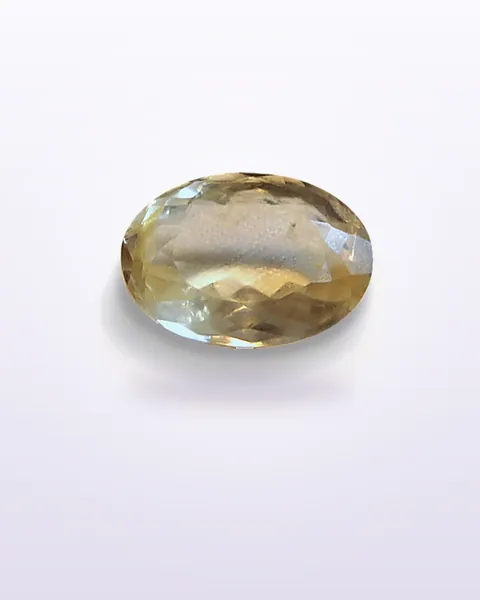
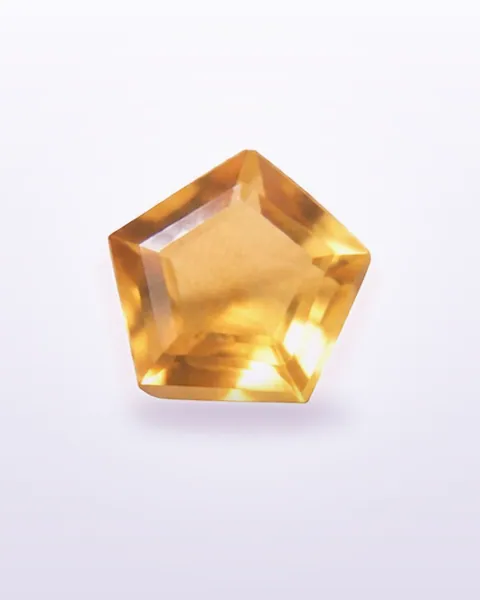
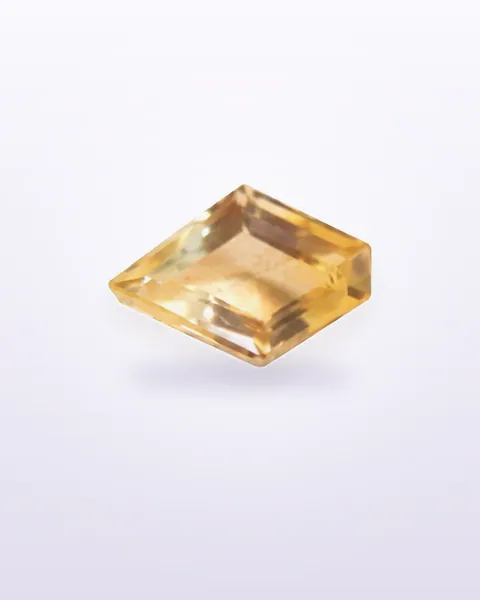
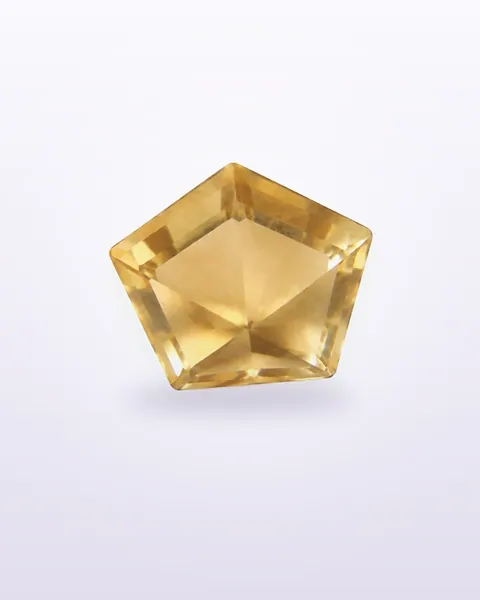
Citrine is yellow to orange quartz. Natural citrine, coloured by traces of iron, is uncommon and tends to be pale. Much of the citrine on the world market is heated amethyst, which turns a warm amber or reddish orange. Both are quartz; the difference is how the colour arrived.
How to read the colour
Pale lemon and straw tones are typical of natural material and look fresh in white gold or silver. Deep orange and red-brown "Madeira" tones are prized and often come from heating. Heated stones sometimes show a slightly reddish tinge at the corners. Each listing states what we know about treatment.
The name Sunela means golden, and citrine is often sold in the bazaar as a budget alternative to Pukhraj. It is a different mineral from yellow sapphire, softer and far more plentiful, so it should cost much less. Where tradition calls for Pukhraj, many families do not accept citrine in its place, so check with whoever advised you.
- Size: citrine is affordable in larger sizes, so 5 to 10 carats is easy to find.
- Clarity: most faceted citrine is clean to the eye, and visible inclusions should lower the price.
- Cut: ovals, cushions and checkerboard tops all suit it.
At 7 on the hardness scale, citrine takes daily wear in a ring, though the facet edges can wear down on rough jobs. Like amethyst, it may fade if left in hot sunlight for long periods. Clean with warm soapy water and dry with a soft cloth.